
The Most Affordable Colleges in the U.S. for Quality Education

Choosing a college in the United States is both exciting and daunting. You’re not just picking a place to study—you’re making an investment in your future. For many students, especially first-generation or international students, the price tag is the biggest hurdle.

But the good news is: you can find affordable colleges offering high-quality education, strong outcomes, and a path to career success—without burying yourself in debt.
This guide dives into how to evaluate affordability and quality, highlights some of the best “bang for your buck” colleges, and gives you strategic tips to make the most of your college choice.
What “Affordable” and “Quality” Really Mean
To find colleges that are both affordable and quality, you need to look past the sticker price. Important criteria include:
Affordability factors:
- Tuition and fees + room and board + books/supplies + living/transportation costs
- Net price: what students pay after grants, scholarships, and institutional aid
- Student debt and the rate of borrowing among graduates
- Outcomes: graduation rates, alumni earnings, return on investment (ROI)

Quality indicators:
- Accreditation and strong academic programs
- Student-faculty ratio, resources, support services
- Career services and success of graduates (job placement, salaries)
- Social mobility: how well the institution helps students from lower-income backgrounds succeed
When you combine both—low cost and strong outcomes—you get what many call the “best value” colleges.
Top Affordable Colleges to Consider
Here are several colleges that stand out. Because “affordable” means different things depending on in-state residency, financial aid, etc., it’s important to research each one carefully.
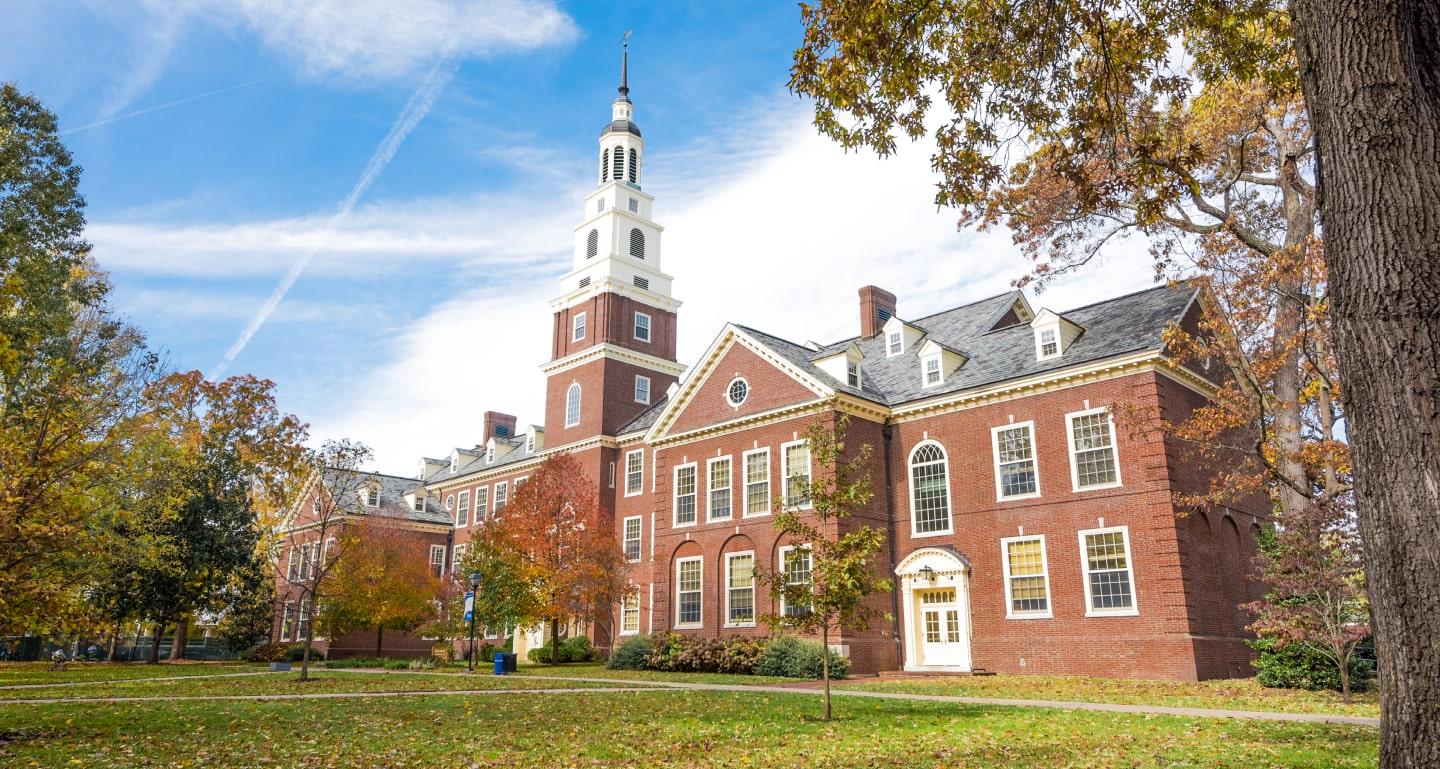
Berea College (Kentucky)

- A private liberal-arts college known for being tuition-free for students with financial need—students work on campus as part of a mandatory program.
- Offers strong value: you attend a quality institution while minimizing debt.
- Particularly appealing if you come from a low-income background and want a full four-year degree with minimal cost.
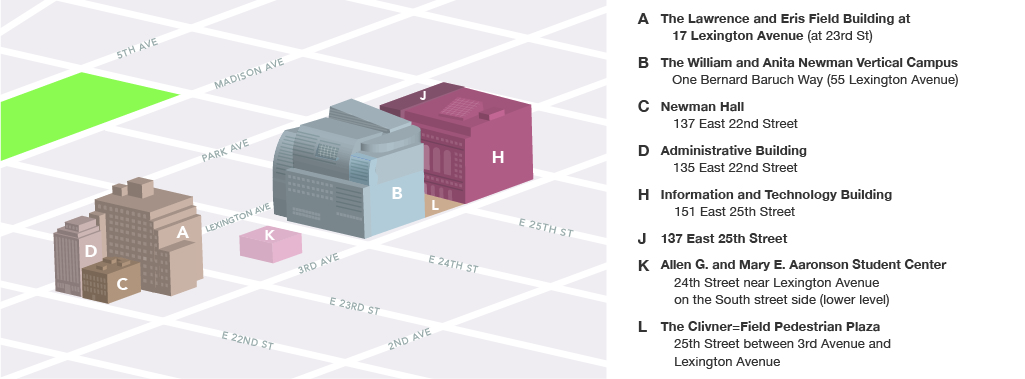
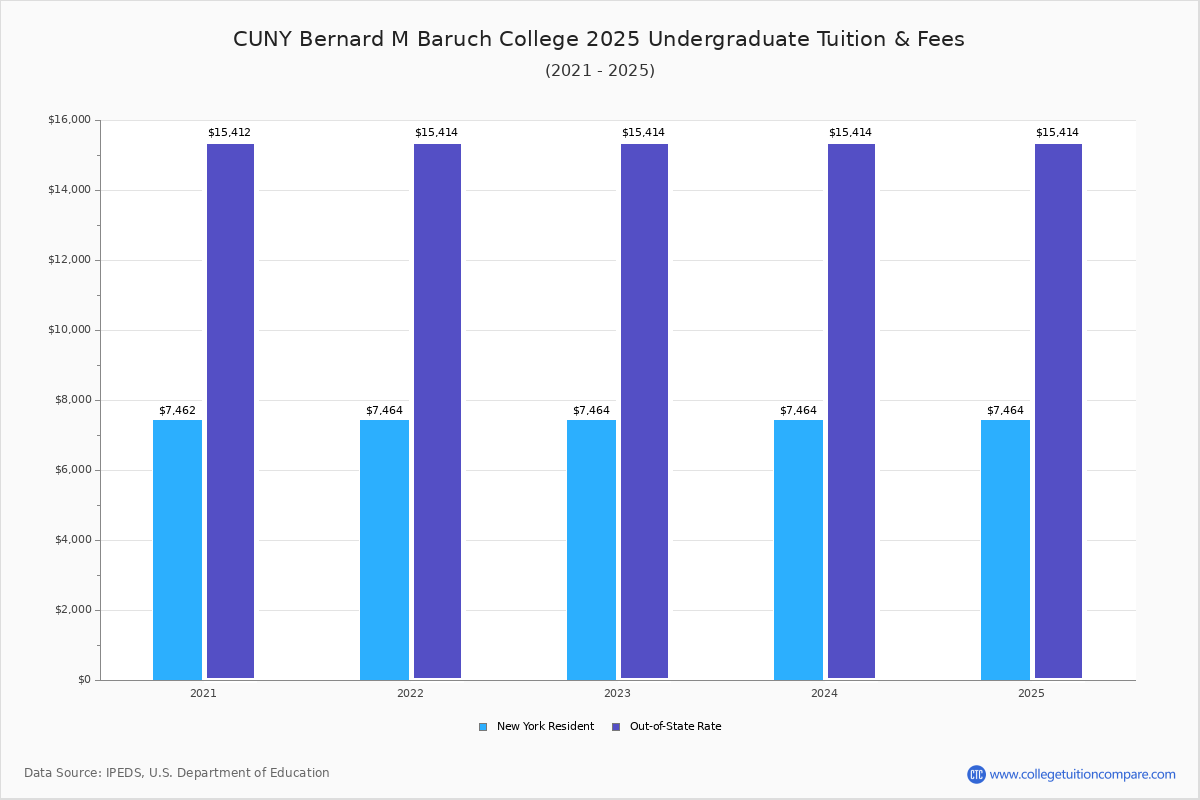
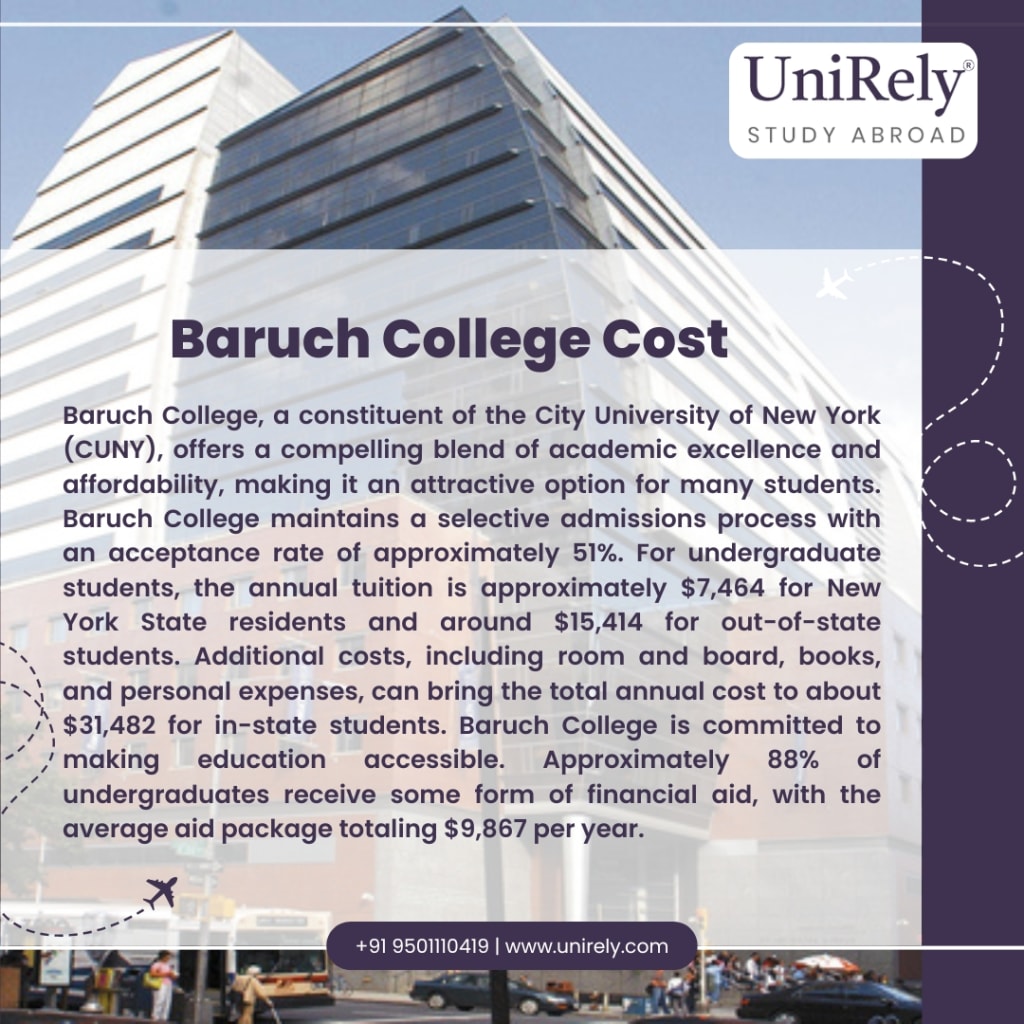
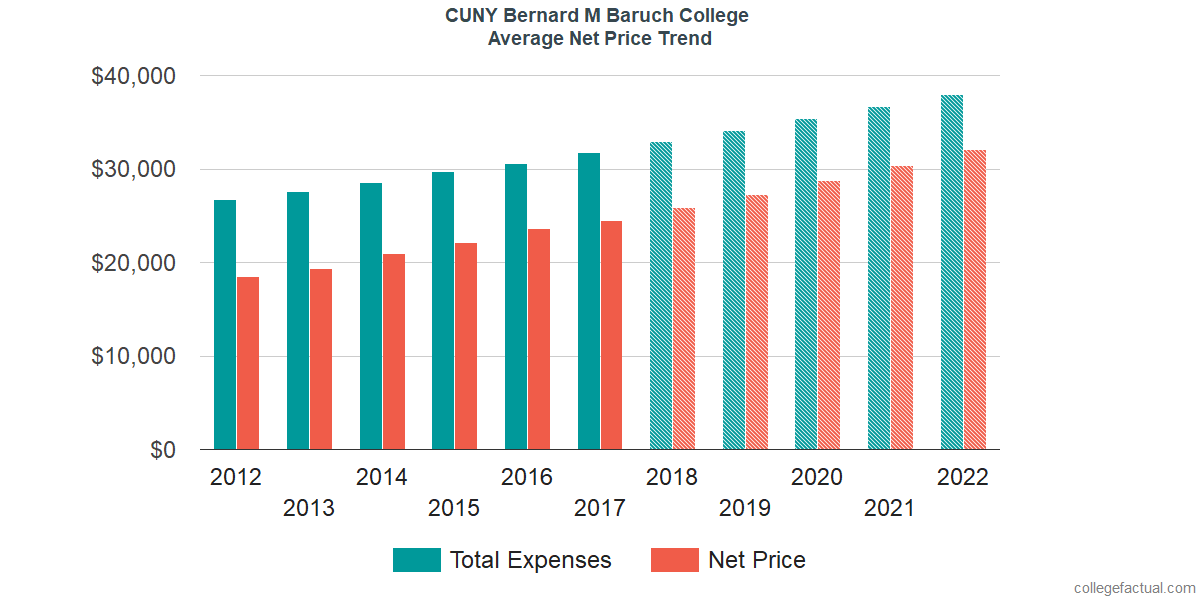
Baruch College (New York)

- A public college (part of the City University of New York-CUNY system) with strong ROI: recognized for cost-effectiveness and low student debt.
- Located in Manhattan, giving students access to internships and job markets in New York City.
- Ideal for students who live in New York (or willing to relocate) and want a strong urban experience at a relatively low cost.
Public Universities & In-State Options
Many in-state public universities offer very good value because whose resident tuition is subsidized. For example:

- Many institutions in the California State University system and other large public systems are cited as affordable for quality education.
- Schools with low out-of-state tuition or strong financial aid programs also help reduce cost burdens.
What to Watch For
- If you are an out-of-state or international student, in-state tuition savings may not apply; check net price for your status.
- Living costs vary widely by location: rural vs urban, housing vs commuting.
- Some very low tuition colleges may compromise on resources or offer fewer programs—always check quality metrics.
- Scholarships and grants matter: even higher-sticker universities can become affordable with strong aid.
Smart Strategies for Maximizing Value
- Fill out the Free Application for Federal Student Aid (FAFSA) early to determine eligibility for federal aid.
- Choose in-state public universities if possible, because tuition is often much lower for residents.
- Consider starting at a community college (lower cost) then transferring to a four-year institution.
- Look for colleges that guarantee low debt or have strong graduation and job placement records.
- Use net-price calculators (many colleges provide them) to estimate your real cost after aid.
- Live off-campus or with family, reduce housing/meal costs, work part-time—these reduce total cost of attendance.
- Align your major and career goals: choose fields with strong job market potential so the return on your investment is higher.
Frequently Asked Questions (FAQ)
1. Does “affordable” mean cheap tuition only?
Not exactly. Affordable to you means net cost after aid, combined with an outcome (graduation, job, earnings). Sticker tuition alone can be misleading.
2. Can a private college ever be more affordable than a public one?
Yes. If a private college offers generous merit or need-based aid, the net cost can be lower. Some top-value private schools fall into this category.
3. What about international students—are affordable colleges out of reach?
While international students often pay out-of-state or full tuition, there are affordable options and schools with strong aid programs. Some rankings list affordable universities for international students.
4. How important are student outcomes (jobs, debt) when picking an affordable college?
Very important. A low-cost college isn’t a good deal if graduates struggle to find work or carry heavy debt. Look for high graduation rates, strong job placement and moderate debt levels.
5. What’s the best way to compare affordability across colleges?
Use a combination of: net price after aid, expected debt at graduation, percentage of students borrowing, and alumni outcomes. Also compare cost of living in that region.
Final Thoughts
If done thoughtfully, attending an affordable college doesn’t mean settling for less. You can choose a college that gives you strong academic preparation, access to career opportunities, and minimal debt.
The key is to look beyond the sticker price, prioritize outcome-metrics, and align your choice with your financial and career goals.

Whether you choose a tuition-free model like Berea College, a strong value public option like Baruch College, or an in-state public university with good support and lower living costs—the smart move is research, compare, and apply early.





Responses